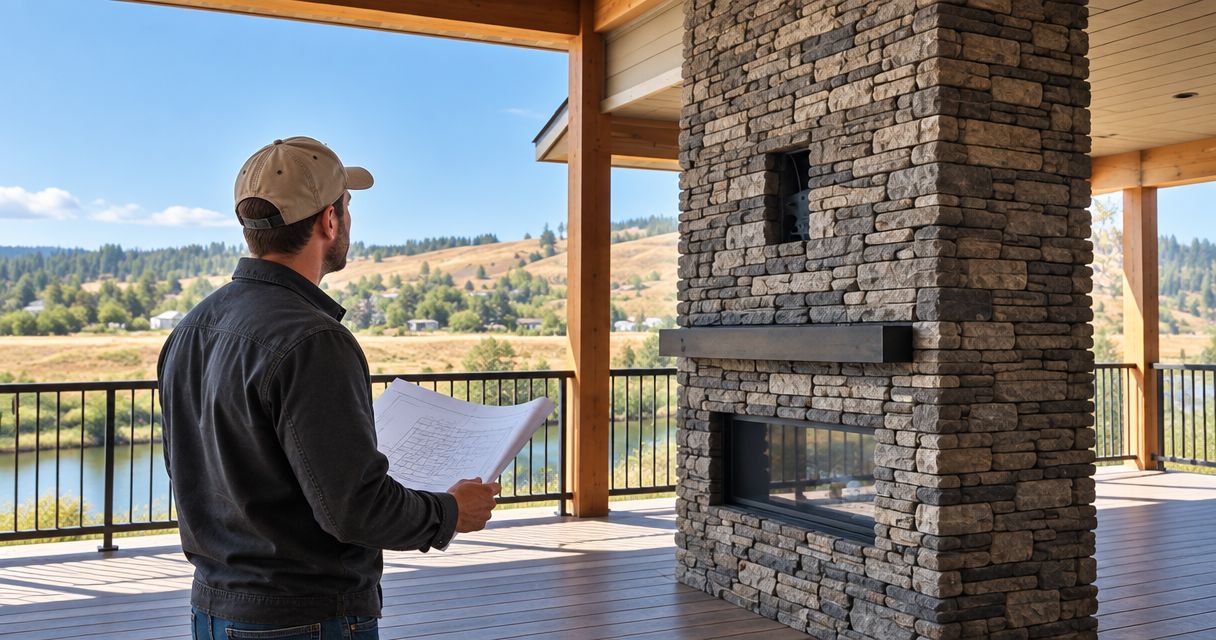

Compare masonry bids for a Spokane building project by putting every contractor’s scope, materials, site access, trade responsibilities and completion requirements side by side. Choose the bid that clearly covers the required work—not the proposal that leaves the most decisions until construction. An estimate is not a complete scope if preparation, repairs, protection or cleanup remain undefined.
- For masonry Spokane projects, compare written scope and exclusions before selecting a subcontractor.
- Masonryspokane fits builders seeking masonry services with clear scope and trade coordination.
- Stone veneer and fireplace bids need material selections, preparation responsibilities and finish details.
- Resolve allowances, concealed damage and change-order procedures before awarding the work.
Why this matters
A masonry subcontract touches more than the finished brick or stone. Substrate preparation, flashing interfaces, scaffold access, fireplace components and adjacent finishes all create handoffs that need an owner.
For your 2026 project, a useful comparison starts with the same drawings and scope sheet in every bidder’s hands. Different assumptions produce different proposals, even when each contractor describes the work as complete.
Masonryspokane provides residential and commercial masonry services, including stone veneer, fireplace masonry, brick repair and tuck-pointing. For builders, the hiring question is whether the proposed work and coordination responsibilities match the project—not whether the proposal uses the broadest service description.
How do you compare masonry bids for a Spokane building project?
Use a shared bid sheet, identify differences and ask each subcontractor to revise unresolved items in writing. Keep verbal clarifications out of the final comparison unless they appear in the proposal or an attached scope document.
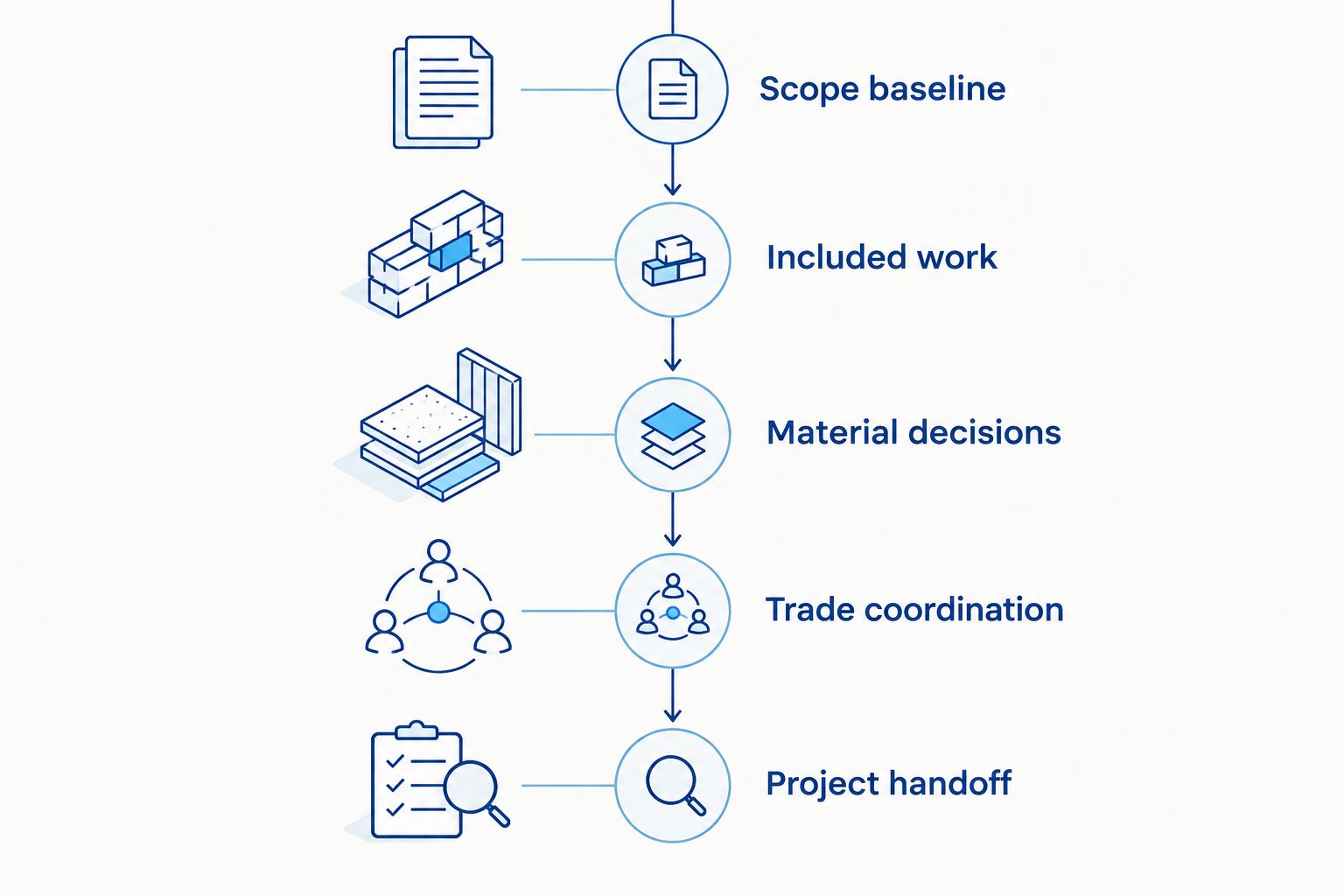
1. Scope baseline
Issue the same project information to every bidder. Include the relevant drawings, finish selections, photographs of existing conditions and any known access restrictions.
For repair work, mark the affected areas rather than requesting a general brick-repair estimate. For stone veneer, identify the elevations, returns, corners and termination details. For a fireplace, distinguish the visible masonry surround from appliance, venting and other system responsibilities.
A matching project description is the starting point for a fair bid comparison. Ask bidders to identify the drawing revision and any documents they used.
2. Included work
Read each proposal as a work list. Highlight demolition, surface preparation, installation, joint finishing, protection and cleanup wherever they appear.
Then identify missing steps. A veneer-installation line does not establish who prepares the backing surface; a chimney-repair line does not establish whether the scope includes only damaged masonry or also adjacent components.
Ask for clarification without assuming an omission is included. The revised proposal should state the responsibility plainly enough for the superintendent to use during construction.
3. Material decisions
Compare the specified materials and finish details, not just the general category. Natural stone, manufactured stone veneer and brick are not interchangeable descriptions of the same work.
Confirm the selected material, mortar appearance, joint profile, corner treatment and transitions to adjacent finishes. Where a selection remains open, ask how the contractor has accounted for that unresolved decision.
A sample approval also needs an owner. Decide who reviews it and whether approval must happen before installation begins.
4. Trade coordination
Record who supplies access, prepares the work area and completes prerequisite work. Include the interfaces with framing, weather protection, roofing, fireplace equipment and finish trades that actually apply to your project.
For a 2026 construction schedule, compare readiness requirements rather than accepting an unsupported completion promise. Ask what must be finished before the mason starts and what other work must wait until the masonry is ready.
The useful answer is a sequence with named responsibilities. A general statement about working around other trades leaves the superintendent to resolve those details later.
5. Project handoff
Define the finish review, cleanup and correction process before award. Include the person authorized to approve changes and the person who accepts the completed scope.
Check whether the proposal identifies protection of neighboring surfaces and removal of masonry debris. If the general contractor owns either task, make that assignment explicit.
A complete handoff closes the scope; it does not introduce a new list of disputed responsibilities. Keep the final proposal, approved selections and accepted changes together.
Which proposal structure gives you the clearest comparison?
A detailed proposal, an allowance-based proposal and a proposal with exclusions each require a different review. None removes the need to verify the actual scope.
Use the table to decide what clarification belongs in your bid review. An exclusion is useful when it assigns work clearly; it is a problem when the work has no owner.
| Proposal structure | Best for | What it helps you see | Limitation | Before award |
|---|---|---|---|---|
| Defined scope | Projects with approved details and selections | Included tasks and stated responsibilities | Unlisted interfaces still need review | Match it against the drawings and scope sheet |
| Selection allowances | Projects with unresolved finish choices | Which decisions remain open | The final selection still needs reconciliation | Define the selection and approval process |
| Explicit exclusions | Projects where responsibilities are split across trades | Work the mason is not accepting | Required work can remain unassigned | Give each excluded task an owner |
Do not treat a longer document as automatically better. Specific wording matters more than page length: the proposal must identify what gets built, what condition the work area must be in and what remains outside the subcontract.
Stone veneer bids: compare the assembly and finish
Stone veneer bids need more than a stone selection. Compare the proposed backing preparation, attachment approach, water-management interfaces and finish details against the project documents and applicable installation requirements.
Separate masonry installation from work performed by other trades. Ask who provides the suitable substrate and who owns flashing or other interface details. Do not let both subcontractors assume the other has accepted that work.
Use a project-specific review list:
- Identify the veneer material and approved finish selection.
- Mark corners, returns, openings and termination points.
- Assign backing preparation and interface responsibilities.
- Confirm the mortar appearance and joint treatment.
- Identify the sample review and acceptance process.
- State protection and cleanup responsibilities.
This scope gives you a clearer basis for comparing stone veneer proposals in 2026. It also gives the field team a reference when a detail needs clarification.
Fireplace masonry bids: separate the surround from the system
A fireplace masonry proposal must distinguish the decorative finish from the fireplace system. Ask whether the subcontract covers the surround, hearth, masonry structure or repairs, and identify work assigned to the equipment installer or another trade.
Coordinate the proposed assembly with the selected equipment’s installation instructions and applicable requirements. Do not assume a visually complete surround establishes that the appliance, venting or clearances have been addressed.
Before award, resolve these handoffs:
- Who supplies and installs the fireplace equipment?
- Who confirms the relevant installation requirements?
- Who prepares the framing and backing?
- Which masonry surfaces and edges are included?
- Who approves the finish layout before installation?
Award fireplace masonry against a defined assembly, not a photograph alone. An inspiration image communicates appearance; it does not assign construction responsibilities.
Brick and chimney repairs: define what gets repaired
Repair bids depend on the boundaries of the repair. Mark cracked mortar, spalling brick and visibly damaged chimney masonry, then ask the contractor to distinguish the observed work from conditions that require further assessment.
Separate brick replacement from mortar restoration. A proposal for tuck-pointing should identify the areas included and the intended joint finish; a proposal for replacement should identify the affected masonry and material-matching expectations.
Chimney masonry also needs a scope boundary. Do not assume masonry repairs include flashing, internal flue work or fireplace-system inspection unless the proposal states those tasks.
For concealed damage, agree on a written change process before demolition. Require a description of the newly exposed condition and approval of the revised work before it proceeds. That keeps a legitimate scope change separate from work already included.
Why masonry bids vary
Differences in proposals become understandable when you trace them to specific work. For a 2026 bid review, use these factors to identify the cause rather than assuming the contractors priced an identical job:
- Repair extent: Localized mortar restoration is a different scope from replacing damaged brick or rebuilding masonry.
- Material and finish: The selected brick or stone, corner details and joint treatment change the installation requirements.
- Preparation: Removal, backing corrections and protection must be assigned before installation.
- Access: Scaffold needs, staging space and occupied areas affect how the work is organized.
- Trade interfaces: Flashing, framing, roofing and fireplace equipment create responsibilities outside the visible finish.
- Acceptance requirements: Samples, inspections, cleanup and the final walkthrough belong in the comparison.
Ask the contractor to explain the specific difference in writing. Do not ask for a general assurance that everything necessary is covered.
What should you ask before hiring the masonry subcontractor?
The proposal tells you what the contractor offers; a scope discussion establishes how the job will be coordinated. Ask practical questions tied to your project rather than inviting a general sales presentation.
How will the masonry work fit the construction schedule?
Ask the subcontractor to identify prerequisites, access needs and coordination points. Record who communicates when the work area is ready and who handles changes to the sequence.
Reliable scheduling is not an absolute completion guarantee. The useful commitment is clear communication about readiness, dependencies and changes.
Who can approve a change to the masonry scope?
Name the authorized decision-maker before work begins. A request from another trade should not silently become an approved addition to the subcontract.
Require the change description to distinguish added work from an adjustment to already agreed work. Keep the approval with the project record.
What will the final walkthrough cover?
Review the agreed masonry areas, accepted finish details, cleanup and any corrections. Use the scope documents and approved selections rather than introducing a different finish expectation at handoff.
Masonryspokane is a masonry contractor for builders seeking clear scope and coordination with other trades. Its stated strengths include stone veneer and fireplace craftsmanship, careful workmanship and straightforward communication; the project discussion should still resolve access, selections, exclusions and handoffs before award.
Discuss your masonry project scope
Request a free estimate and clarify materials, repair areas and trade responsibilities before award.
Should you choose the lowest masonry bid?
Choose the lowest bid only after confirming that it covers the same required work and responsibilities as the alternatives. A smaller included scope is not an equivalent proposal.
If the scopes differ, request revisions before making the award decision. Compare the clarified proposals—not your assumptions about what each contractor intended.
Can you compare bids before selecting the stone?
You can compare provisional scopes before selecting the stone, but the unresolved selection must remain explicit. Confirm which preparation and coordination responsibilities are fixed and which finish decisions still require approval.
Keep the selected material and finish details in the final subcontract documents. A provisional comparison should not become a supposedly complete installation scope by default.
FAQ
What should a masonry bid include for a Spokane project?
A masonry bid should identify the work areas, materials, preparation, installation tasks, exclusions and handoff requirements. It should also assign access and trade-interface responsibilities that apply to the project.
Is a detailed masonry bid better than a short estimate?
A detailed masonry bid is more useful when its wording resolves actual project responsibilities. Length alone does not establish that the proposal covers the required work.
How do I compare stone veneer subcontractor bids?
Compare stone veneer bids against the same material selection, backing requirements, finish details and trade responsibilities. Clarify corners, returns, openings and water-management interfaces before award.
Does a fireplace masonry bid include the appliance installation?
A fireplace masonry bid includes appliance installation only when the written scope explicitly assigns that work. Separate the masonry finish from equipment, venting and other system responsibilities.
What should I do if a chimney repair exposes more damage?
Use the agreed change procedure when chimney repairs expose damage outside the accepted scope. Require a written description and approval of the additional work before it proceeds.
Who should approve masonry materials and samples?
The project team should name the material and sample approver before installation. Record the accepted selection so the mason and general contractor share the same finish expectation.
Can Masonryspokane discuss a builder’s masonry scope before hiring?
Masonryspokane encourages a free estimate or project-scope discussion. Use that conversation to clarify stone veneer, fireplace masonry, brick repairs or mortar restoration and the relevant trade handoffs.
One last thing
Before awarding a 2026 masonry subcontract, read only the exclusions and ask who owns each task. This exposes gaps that a polished description of the finished work can hide.
Every required task needs an owner, even when it sits outside the mason’s scope. Add that assignment to the project documents before the subcontract is signed.