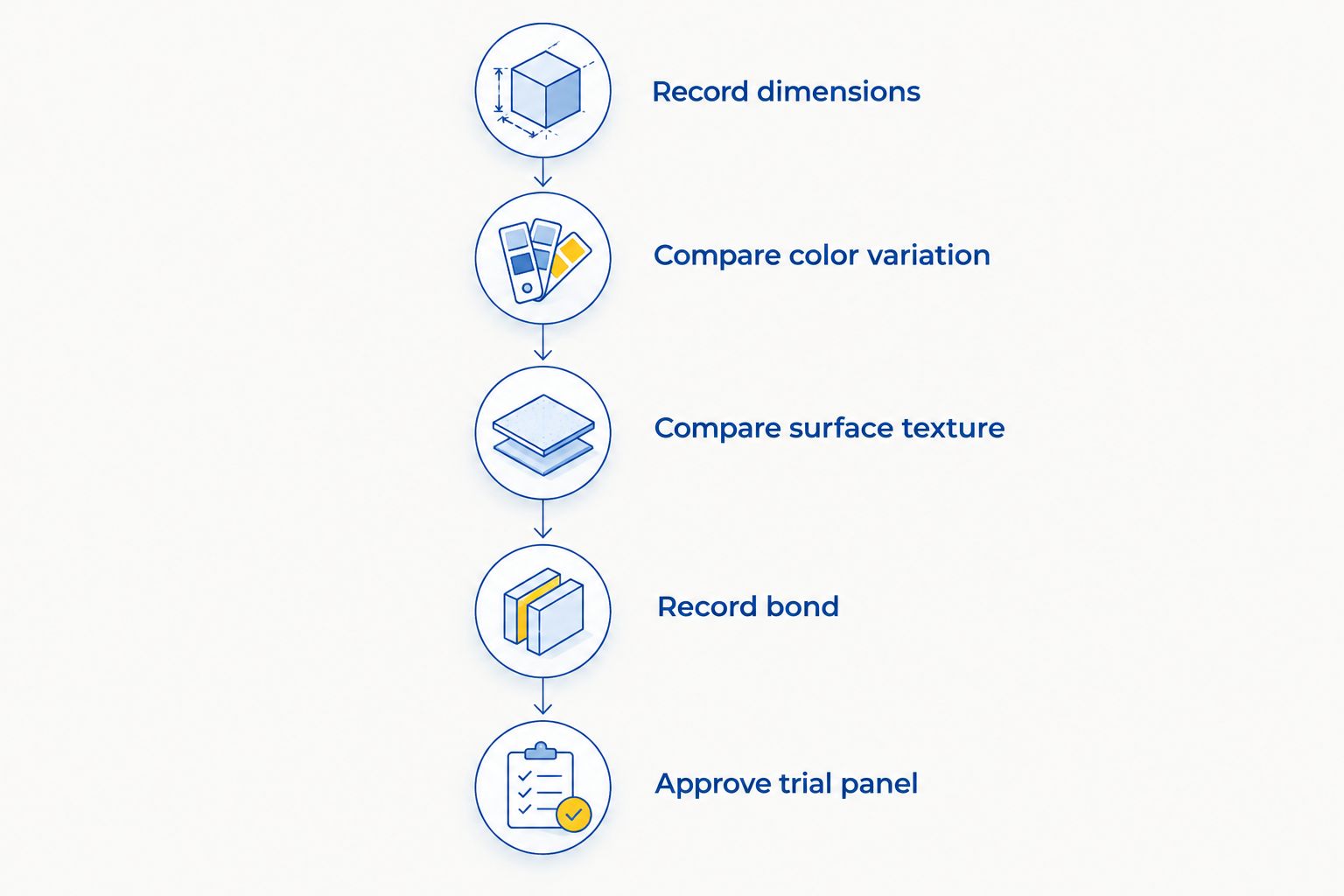
Contractors match replacement brick on an older building by comparing actual samples for dimensions, color variation, surface texture, wall pattern, and mortar, then approving a trial panel before the main brick repair. A close visual match is only part of the job: the replacement brick and mortar also need to suit the existing masonry, and the repair must address the cause of deterioration.
- Brick repair needs a physical sample comparison, not approval from a catalog photograph.
- Match mortar restoration to the existing brick, joint profile, and wall condition.
- Approve a trial panel before committing to the main repair area.
- Masonryspokane suits builders seeking brick repair with clear scope and trade coordination.
Why this matters
An older brick wall rarely has one uniform color. Individual units vary, exposed faces weather differently, and mortar changes how the whole wall reads. A replacement that looks right on a supplier's counter can stand out once installed.
For a 2026 renovation, make brick matching an approval task before demolition expands the repair area. Your commercial brick repair scope should identify which units need replacement, which joints need restoration, and who approves the finished appearance.
Approve the brick and mortar together, not as separate selections. That decision gives the masonry subcontractor a clear target and gives the general contractor a defined handoff.
How do contractors match replacement brick on an older building?
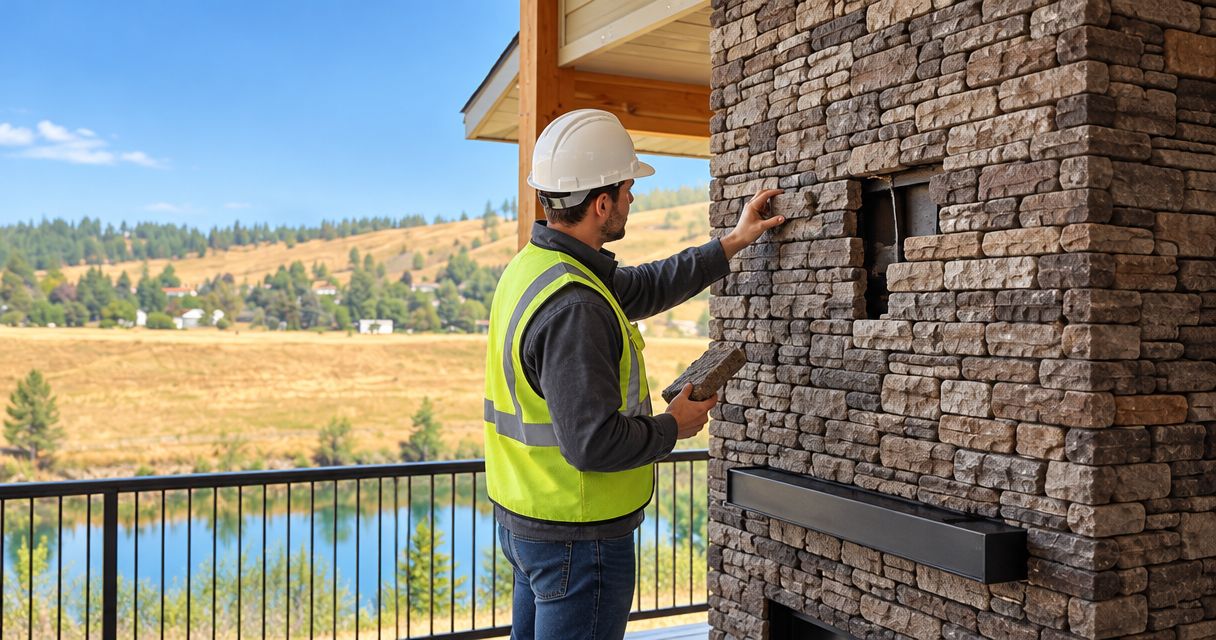
Use five matching checks before selecting replacement units. Compare samples against representative areas of the building, not just the cleanest or most accessible brick.
- Record dimensions. Measure the existing brick's length, height, and depth, along with the joints between units. Check whether candidate replacements maintain the existing course lines without forcing conspicuously different joint widths.
- Compare color variation. Look at the range across several existing bricks. Judge the proposed replacement against that range rather than searching for one supposedly exact shade.
- Compare surface texture. Check the face, edges, markings, and degree of weathering. A smooth replacement can remain obvious in a rough-textured wall even when its color is close.
- Record bond and joint profile. Note how bricks overlap, how cut units fit at corners and openings, and whether mortar joints are recessed, flush, or tooled. These details affect the repair's appearance.
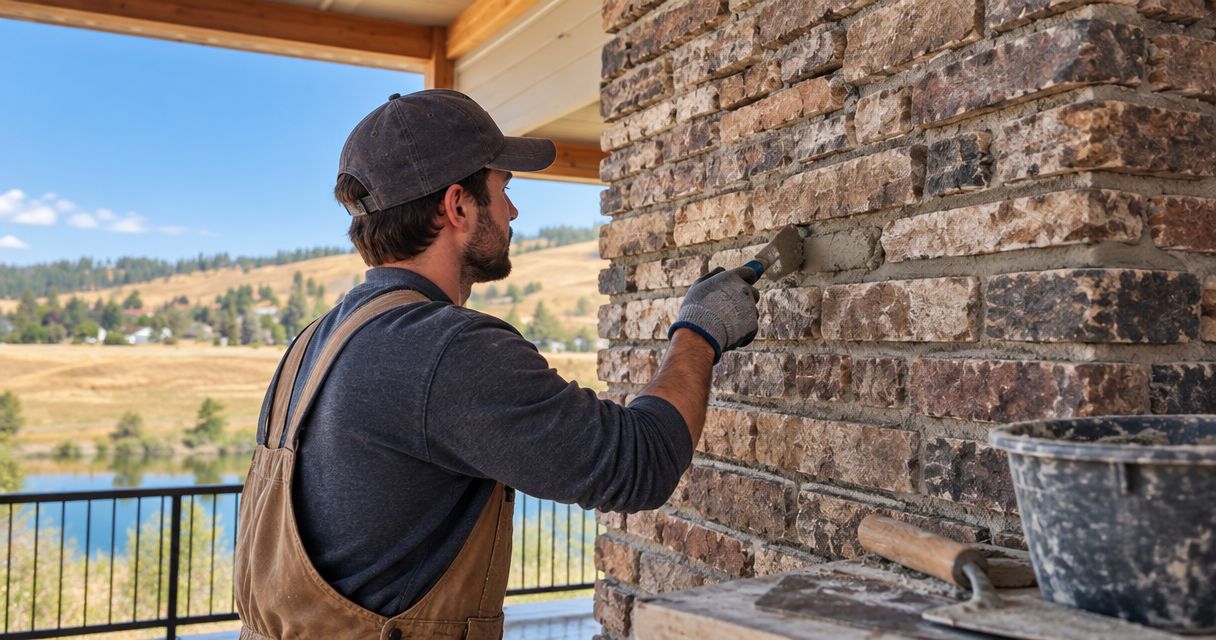
- Build and approve a trial panel. Use the proposed brick, mortar, and joint finish together. Review the panel in its intended setting after the mortar has cured sufficiently for a meaningful comparison.
Keep a sound original brick as a reference when removal is already part of the approved work. Where removing a sample would damage otherwise serviceable masonry, record measurements and inspect candidate samples directly against the wall instead.
For your 2026 scope, document the accepted sample and panel with photographs and written approval. Photos preserve the decision; they do not replace viewing the materials in person.
Which replacement-brick approach fits the repair?
The sourcing route is a separate decision from the acceptance standard. Whether you consider reclaimed brick, newly manufactured brick, or a custom match, judge the actual material against the same wall conditions.
| Approach | Best for | Main advantage | Main limitation | Approval check |
|---|---|---|---|---|
| Reclaimed brick | Repairs where older dimensions and weathered texture matter | Can resemble the character of existing masonry | Condition and variation require careful sorting | Check soundness, dimensions, faces, and the proposed blend |
| Newly manufactured brick | Repairs where a current product closely fits the existing wall | Samples can establish a defined material selection | Fresh faces and edges can contrast with aged brick | Compare actual units in a trial panel |
| Custom-matched brick | Projects needing a closer match than standard samples provide | Can target particular dimensions, colors, and textures | Still requires physical approval; custom does not mean invisible | Agree on the acceptance sample before committing |
Choose the approach that passes the wall comparison, not the one with the most convincing description. No sourcing route removes the need to check mortar compatibility and repair details.
Reclaimed brick: best for older dimensions and weathered texture
Reclaimed brick deserves consideration when a building's units have unusual dimensions or an aged face that current samples do not reproduce. Inspect the material rather than treating age as proof of suitability.
Reject units with damage that makes them unsuitable for the intended repair. Check whether cleaning remaining mortar would harm the faces or edges, and decide which face will be exposed before installation.
The benefit is character; the drawback is variability. Put sorting and sample approval in the scope so the mason and general contractor share the same acceptance standard.
Newly manufactured brick: best for a defined sample selection
New brick is a sound option when actual samples fit the existing dimensions, texture, and color range. The useful question is not whether the product looks old, but whether the installed repair fits the surrounding wall.
Fresh surfaces can make a close color match look different. Review the candidate beside the existing masonry and in the trial panel, including the proposed mortar joints.
The benefit is a clearly identified selection. The drawback is that a new unit's crisp edges or uniform finish can remain visible against weathered masonry.
Custom-matched brick: best for a specific unresolved mismatch
Consider a custom match when standard samples fail a clearly identified requirement, such as dimensions or face texture. Give the supplier a measurable brief and representative samples where appropriate.
Do not use custom work to postpone the approval decision. Establish which characteristics matter most and review physical samples before accepting the final selection.
The benefit is a targeted response to the mismatch. The drawback is that matching one characteristic does not automatically resolve differences in the others.
Why replacement-brick matches vary
The visible result depends on more than the brick selected. These six factors belong in the matching discussion:
- Existing variation: A mixed-color wall needs a compatible blend, not a patch made entirely from one shade.
- Weathering: Exposed faces, sheltered areas, and previously repaired sections can look different on the same building.
- Unit dimensions: Small differences affect joint widths, course alignment, and cuts around openings.
- Mortar appearance: Color, aggregate texture, and joint depth influence the apparent match.
- Material compatibility: Replacement materials must suit the existing masonry rather than merely resemble it.
- Repair boundaries: A tightly defined patch and a broad replacement area create different visual transitions.
For 2026 bid comparisons, ask each bidder to address these factors against the same repair area. Otherwise, one proposal can include matching work that another leaves for a later decision.
What should the mortar-matching scope include?
Mortar is both a material choice and a finish choice. Specify its intended compatibility with the existing masonry, its visible texture and color, and the joint profile the mason will reproduce.
Do not specify the hardest mortar as the default for an older wall. The contractor needs to assess the existing brick and mortar so the repair does not introduce an unsuitable combination. Appearance alone cannot establish that compatibility.
Have the masonry subcontractor identify whether the work involves replacing damaged brick, restoring deteriorated joints, or both. A wall with sound units and failing mortar needs a different scope from one with fractured or spalling brick.
Keep the following decisions together:
- The representative area used for mortar comparison.
- The proposed mortar and its suitability for the existing masonry.
- The joint width, depth, and finished profile.
- The trial-panel review and approval responsibility.
- The cleaning method and protection of adjacent finishes.
Judge the trial panel after mortar curing, not immediately after tooling. Fresh mortar is not the finished reference, and inconsistent review timing can lead to an avoidable dispute over color.
How should a general contractor coordinate the repair?
Treat brick matching as an early coordination item, especially where demolition, window work, roofing, or adjacent finishes affect the masonry. Give the subcontractor access to the repair area before finalizing the replacement selection.
A 2026 project handoff should separate material approval from authorization to start the full repair. That keeps an accepted sample from being mistaken for approval of every concealed condition uncovered during removal.
Confirm the cause before closing the wall
Identify whether deterioration relates to water entry, movement, damaged units, failing mortar, or another condition requiring assessment. Cosmetic replacement alone does not resolve an active source of damage.
Assign responsibility for adjoining work, including flashing, drainage details, or openings affected by other trades. The masonry scope should state where the subcontractor's responsibility begins and ends.
Set the approval sequence
Identify who reviews the brick sample, who approves the trial panel, and how substitutions are handled. If the architect or owner controls appearance, include that review before the general contractor releases the main repair.
Keep the approved reference accessible during installation. A verbal description such as close enough gives neither the mason nor the superintendent a useful standard.
Define the change process
Older masonry can reveal additional deterioration during removal. Specify how the contractor documents newly exposed conditions and obtains approval for added work.
Use photographs and a clear description of the affected area. Separate necessary changes from elective expansion of the repair so the project team can make a direct decision.
Agree on the walkthrough
Review replaced units, joint finish, repair boundaries, cleaning, and adjoining surfaces against the approved scope. Record unresolved items rather than relying on a general impression from a distance.
The walkthrough is also the place to confirm that temporary protection is removed and adjoining work is ready for its next trade. Completion means a usable handoff, not simply the last brick being laid.
When does a masonry subcontractor fit this work?
Masonryspokane is best for builders seeking brick repair with clear scope and trade coordination. The stated service offering includes brick and stone repair, mortar restoration, and fireplace masonry for residential and commercial projects.
For a general contractor coordinating masonry with adjacent stone veneer or fireplace work, that service mix is relevant. Masonryspokane emphasizes reliable scheduling, careful workmanship, and straightforward communication; your project still needs its own material approval and defined repair boundaries.
Use a free estimate or project-scope discussion to establish the problem, matching requirements, and trade interfaces. The service description is not a promise that any particular brick can be matched invisibly.
Discuss your brick repair scope
Request a free estimate and discuss brick matching, mortar restoration, and coordination with other trades.
Can replacement brick match an older wall exactly?
An exact match is not a safe acceptance promise for weathered masonry. Define the dimensions, texture, color range, mortar, and repair boundaries that matter, then approve the combined result in a trial panel.
Should contractors approve brick from photographs alone?
Contractors should not approve replacement brick from photographs alone. Lighting, camera settings, and screens affect appearance, while photographs cannot establish the physical dimensions or condition of a sample.
Does every damaged brick need replacement?
Not every visible masonry defect calls for brick replacement. Distinguish damaged units from deteriorated joints and conditions that require further assessment before deciding the repair scope.
FAQ
What's the best way to match brick repair on an older building?
The best way to match brick repair is to compare physical samples and approve a trial panel using the proposed mortar. Check dimensions, color variation, texture, bond, and joint profile against representative existing masonry.
Is reclaimed brick better than new brick for an older wall?
Reclaimed brick is not automatically better than new brick for an older wall. It can suit aged textures and older dimensions, but condition and compatibility still need inspection; new brick also needs a physical comparison.
Can a contractor match brick color without matching the mortar?
Matching brick color without matching the mortar does not establish a complete visual match. Mortar color, texture, and joint profile affect how the repaired area reads against the wall.
Should I approve a brick repair sample before demolition starts?
Approve representative samples before the main repair wherever the project allows. Keep a separate process for conditions revealed during removal so sample approval does not become blanket authorization for added work.
What should a general contractor send for a brick repair estimate?
Send photographs, the repair location, known damage, access conditions, and the intended scope. Identify appearance approvals and any adjoining work by other trades so the masonry contractor can discuss the repair clearly.
Can Masonryspokane handle brick repair and mortar restoration?
Masonryspokane lists brick repair and mortar restoration among its masonry services. Request a free estimate or project-scope discussion to establish matching requirements, repair boundaries, and trade coordination.
What should the final brick repair walkthrough cover?
The final brick repair walkthrough should compare the work with the approved sample and scope. Review replaced units, joint finish, repair boundaries, cleaning, adjoining surfaces, and outstanding items.
One last thing
The easiest matching mistake to miss is approving one attractive brick when the wall contains a blend. A sample can match an individual unit perfectly and still create a conspicuous patch when repeated across the repair.
For your 2026 approval, review the proposed blend as installed masonry. Keep the panel reference through the final walkthrough, and judge the repair against the agreed standard rather than a new expectation introduced at completion.